A 1957 bungalow, a kennel for today.
Eight years, one breed, and one rule that has never changed: never more puppies than we can know by name.
It started with the restoration of an Eames chair.
Camille had been restoring mid-century furniture in her workshop for years when she and Marc-André bought a 1957 bungalow in Cap-de-la-Madeleine — untouched, down to the original door handles. They furnished it room by room: a rocking chair, a saucer lamp, and that now-famous boomerang-shaped coffee table that would eventually name the kennel.
Ray, their first Corgi, arrived during the renovations. Her temperament — sharp, self-assured, never rattled by a drill or a paint roller — convinced their veterinarian she deserved a litter, once the screenings were complete. Eero, her breeding partner, came from a recognized Ontario kennel two years later.
Eight years on, every litter is still born in that same living room. Puppies learn the stairs before they leave, and grow up surrounded by a decor that hasn't changed since 1957 — except for the toys.
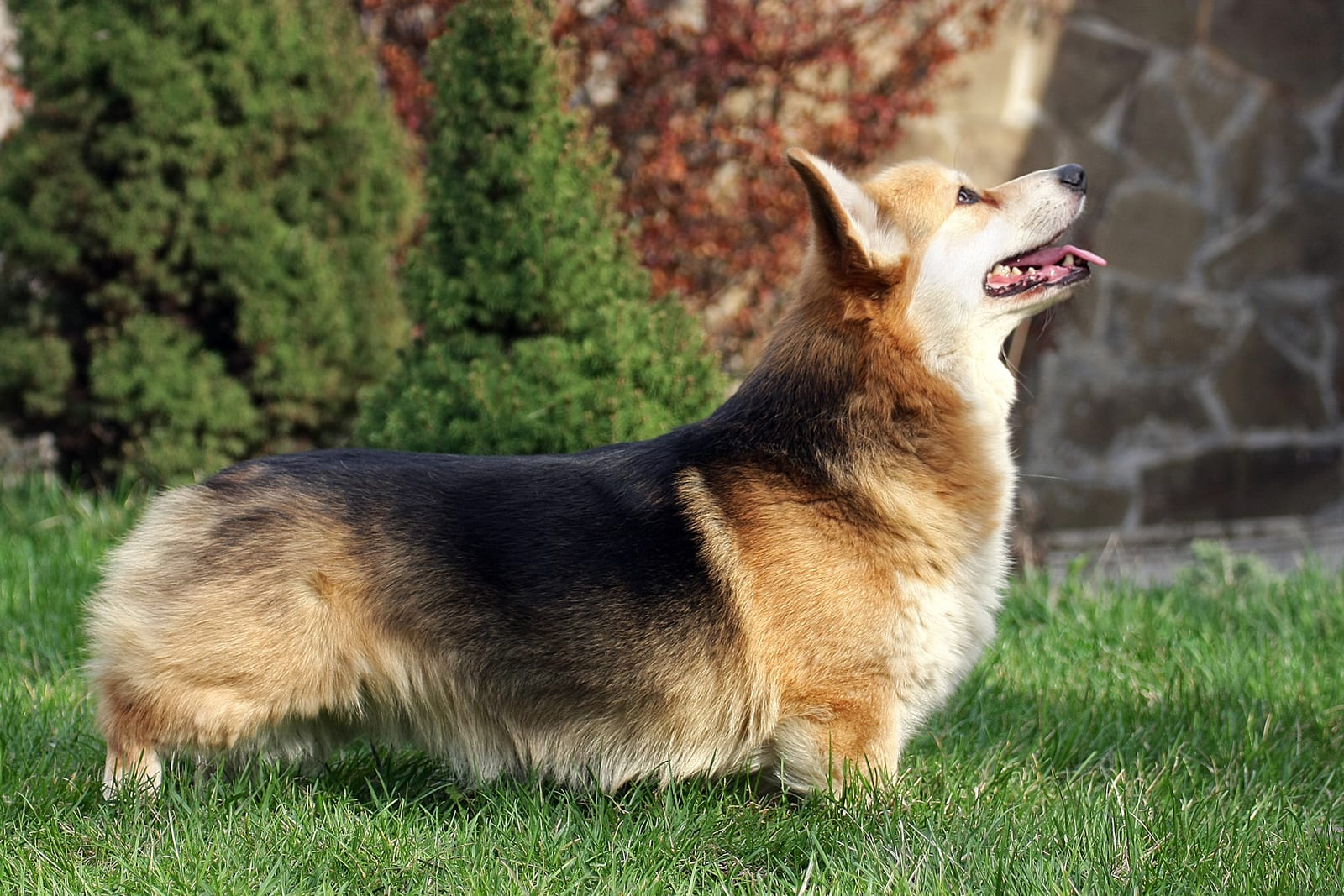
Why only the Pembroke Welsh Corgi.
One breed, known well, beats three skimmed over.
Temperament
Sharp, intelligent, and often more attached to one person than to the whole family. It's a herding dog in a miniature body — it needs mental work, not just a walk.
Worth knowing: heel-nipping — an inherited herding reflex, not a flaw — corrects early with consistency.
Coat colours
Red & white, sable, tricolor and black-headed tricolor — the four colours recognized by the standard. Odd or partially blue eyes occur naturally in the breed and have no effect on the dog's health.
Worth knowing: we never guarantee a specific colour before birth — genetics decides, not a request.
Long body, short legs
That signature silhouette — elongated spine, short legs — comes with a known predisposition to intervertebral disc problems. We manage it through weight, not fear.
Worth knowing: every family receives our house guidelines — no repeated jumping off furniture, and stairs to avoid in the first year.
Most Pembroke lines don't naturally carry a long tail; some are born with a naturally short or bobbed tail, others with a full tail that we never dock. It's a natural variation, not a flaw — we explain it to every family before they reserve.
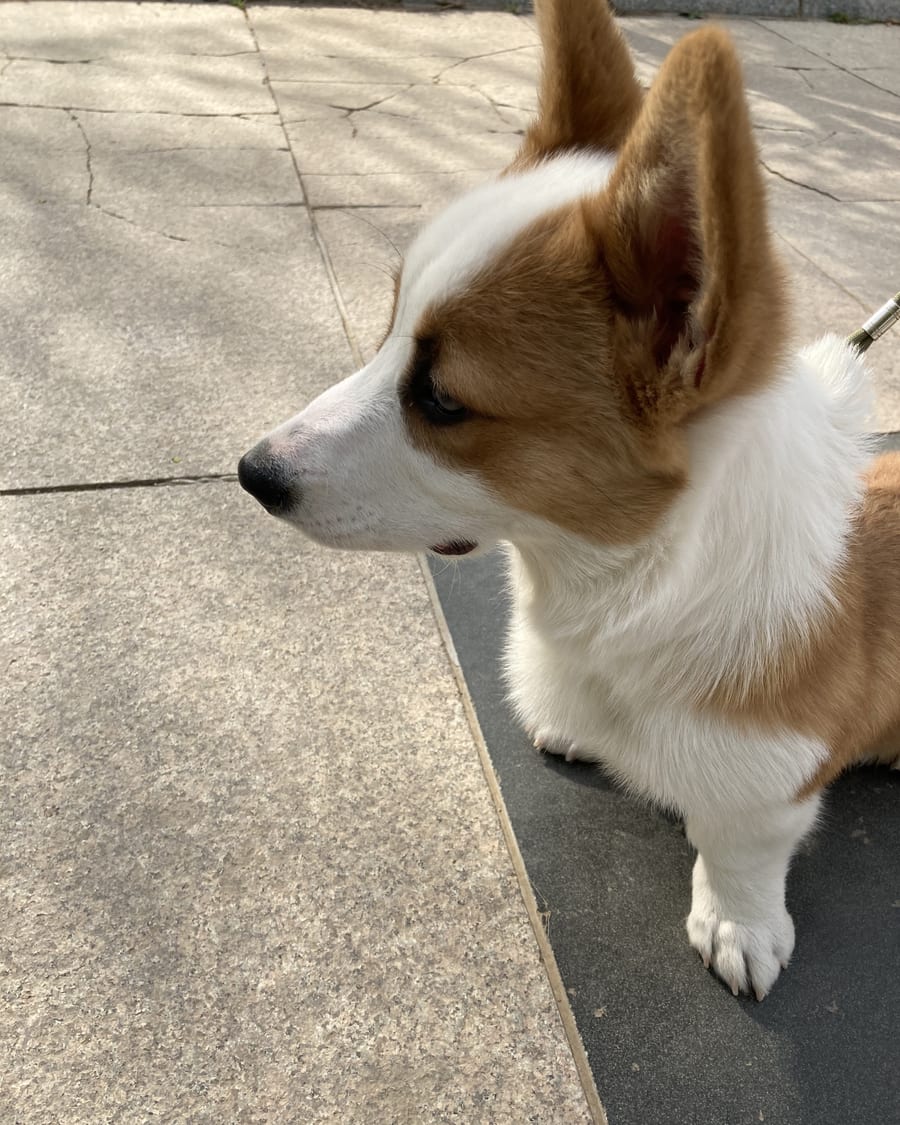
What we screen for, and what we guarantee.
No breeding happens until both parents have completed the screenings recommended for the breed. Certificates are handed to you in person — not summarized, not "available on request".
Hips (PennHIP)
X-rays evaluated by a recognized body, on both parents, before mating.
Eyes
Annual ophthalmological exam by a specialist veterinarian, on both breeding dogs.
DNA — degenerative myelopathy
Genetic testing so two carriers of this Pembroke-prevalent condition are never paired.
A two-year guarantee against serious hereditary conditions, provided in writing. Replacement or refund, your choice.
Come see the studio before you decide.
We welcome families by appointment, even without a firm plan. You'll see where the puppies grow up, meet Eero and Ray, and get to ask the hard questions.
One piece of advice, even if you don't adopt from us: be wary of a breeder who offers to meet you in a parking lot or won't show you the mother. It's the most reliable signal there is.